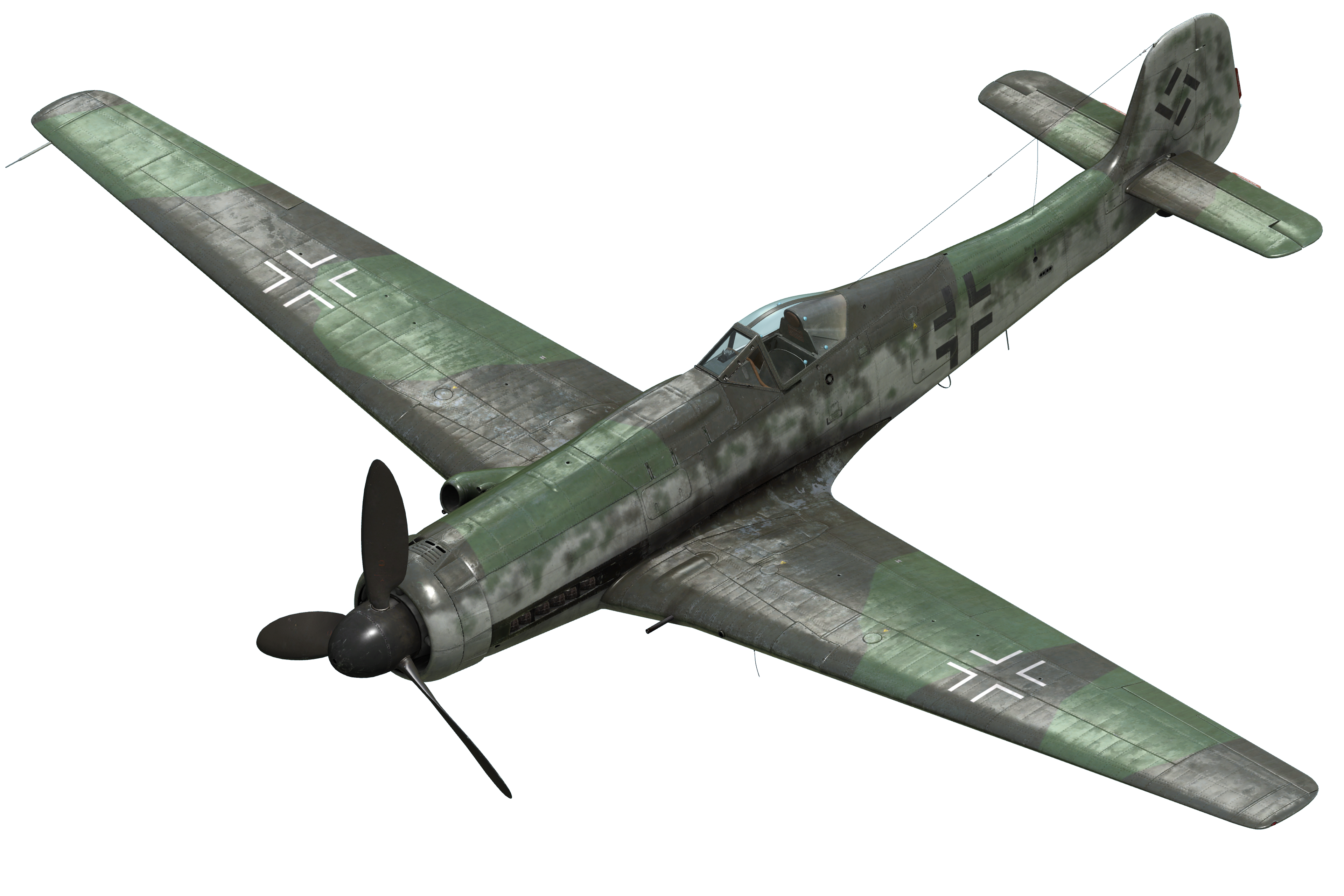
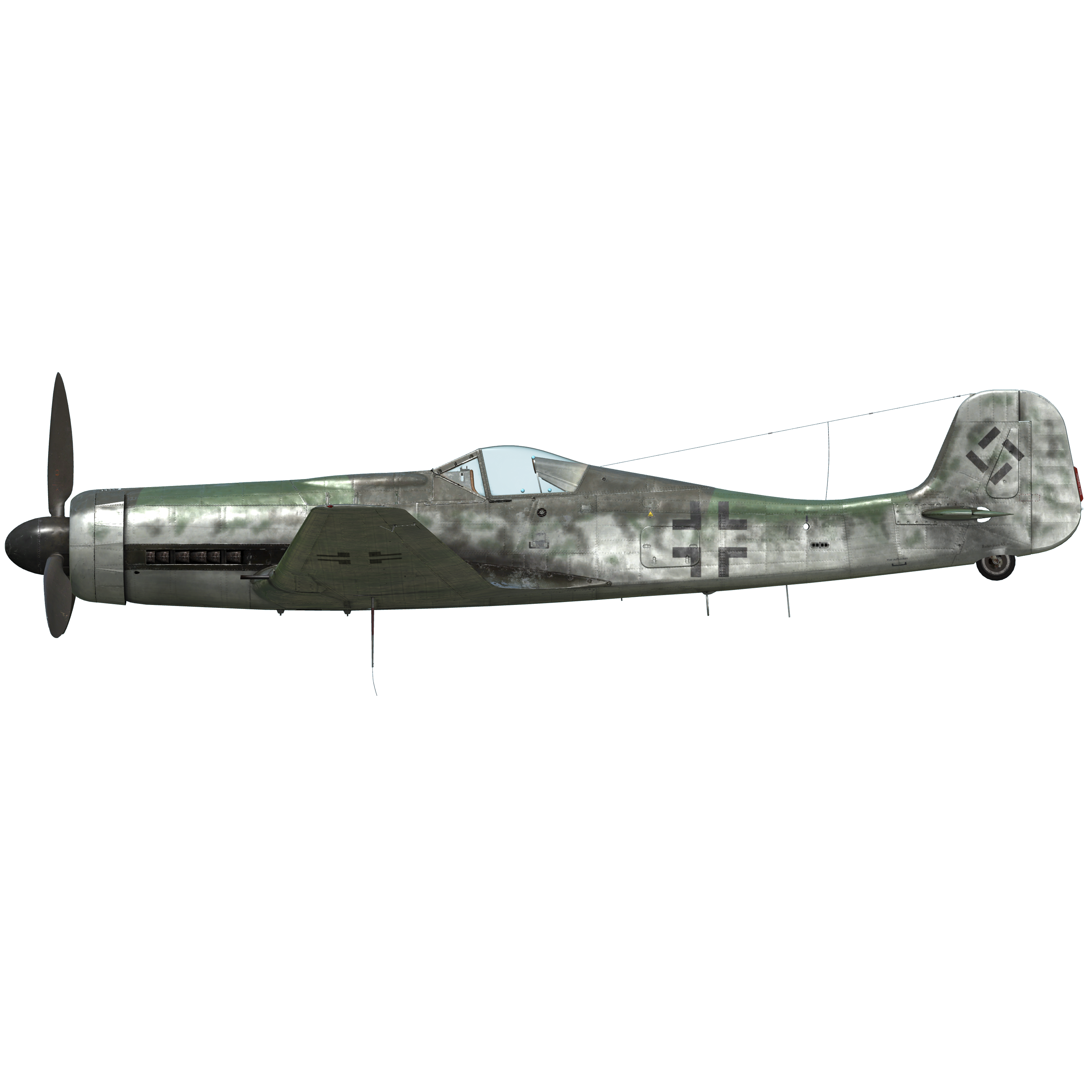
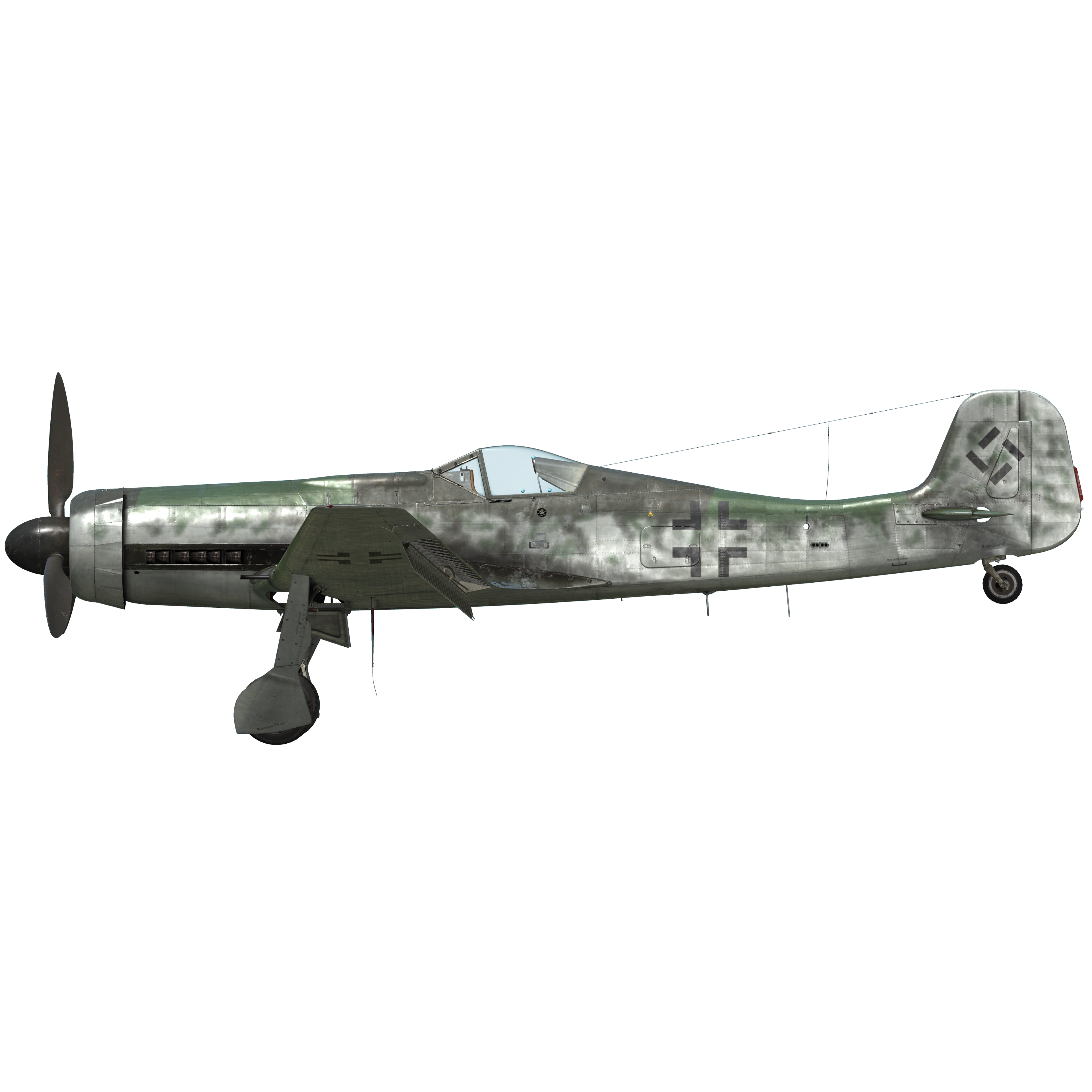
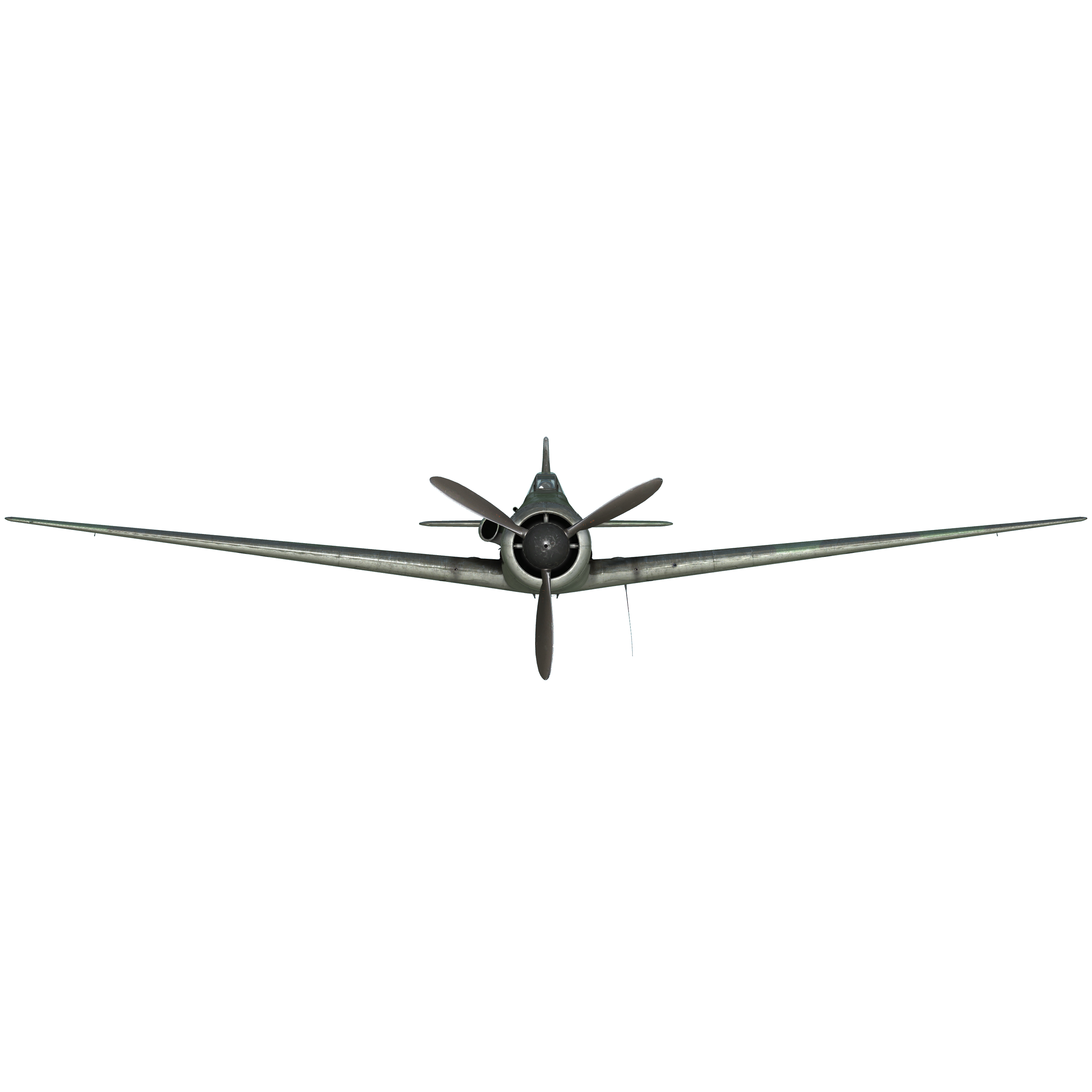
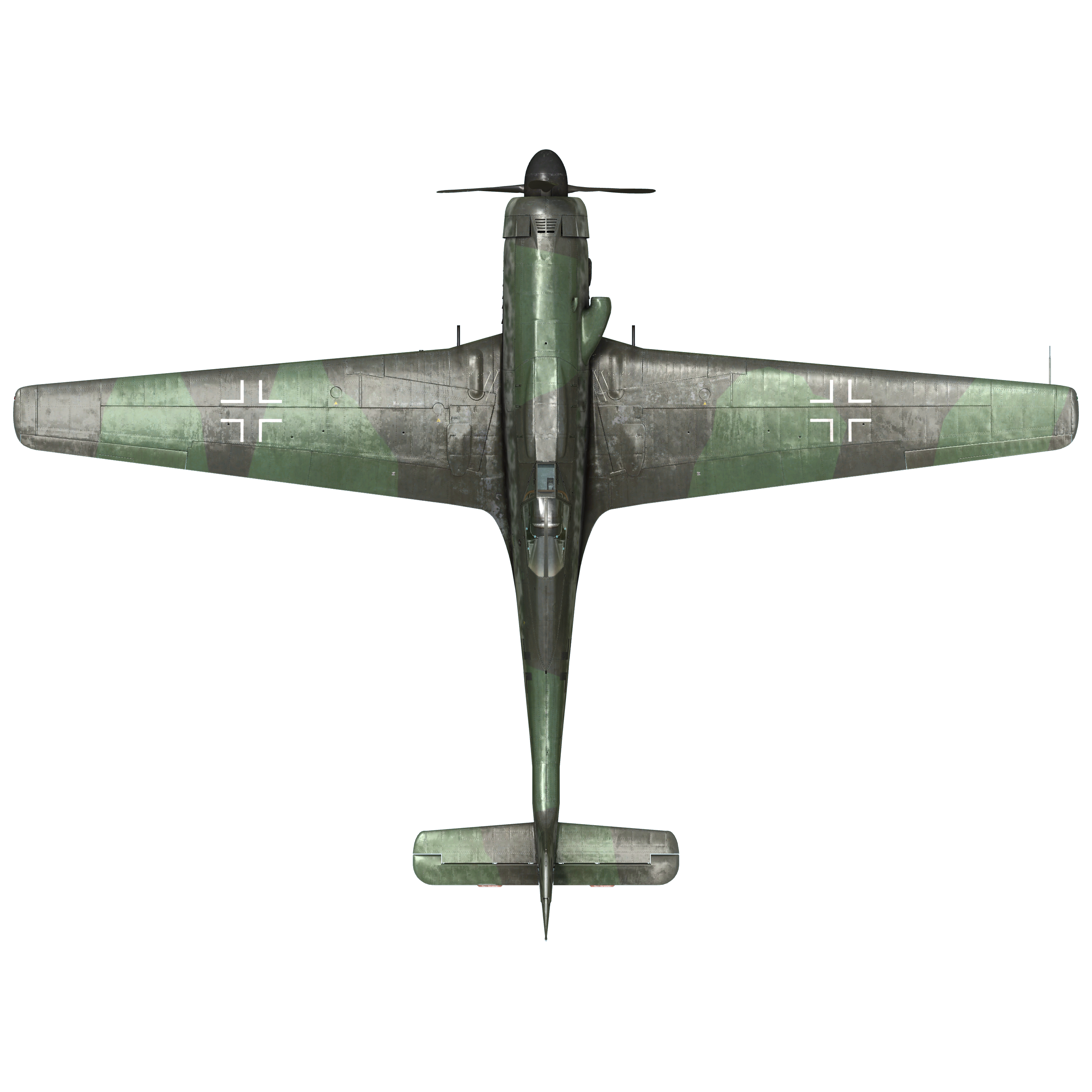
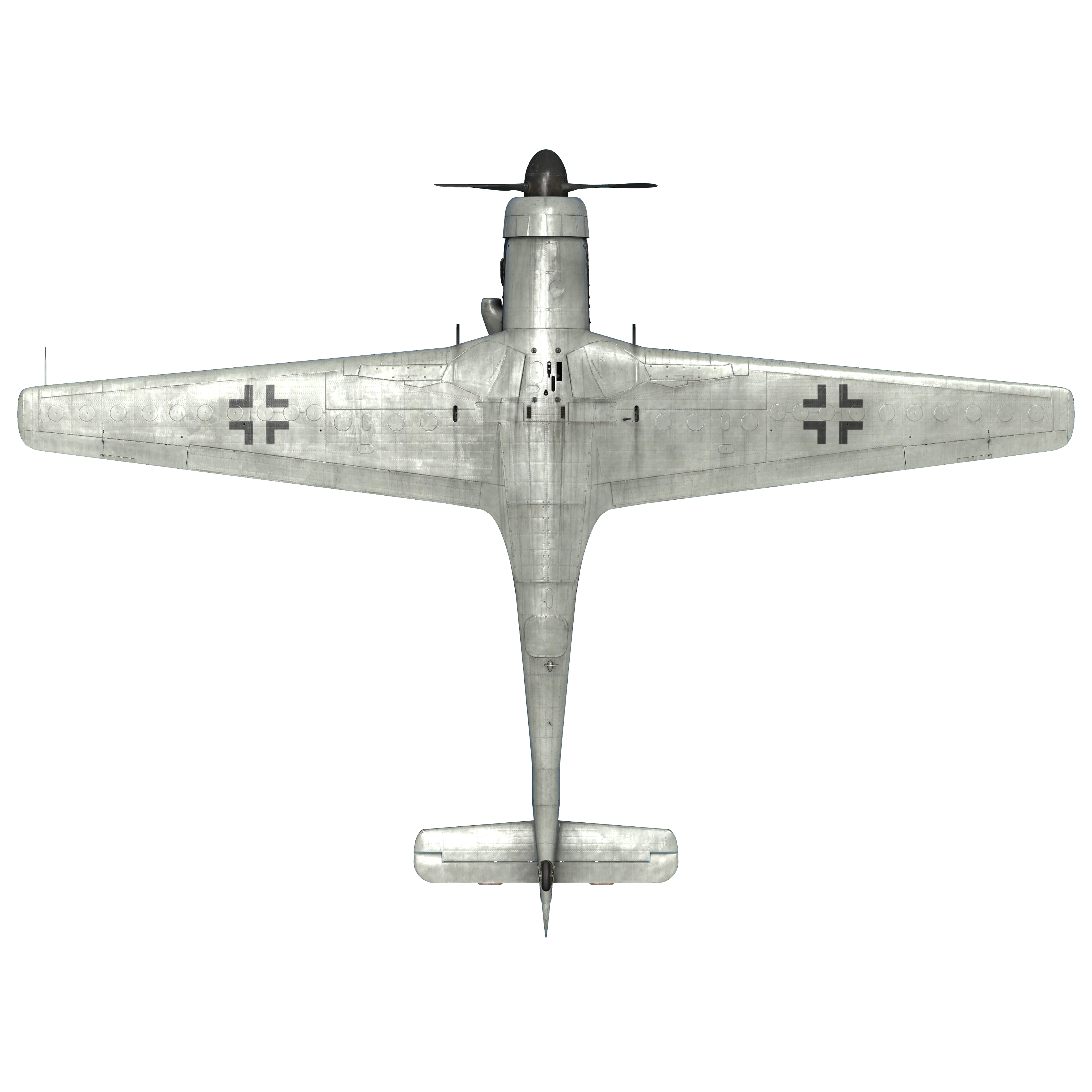
In 1938, the Technical Directorate of the Luftwaffe invited Focke-Wulf to design a new fighter. The new aircraft, whose prototype flew for the first time on June 1, 1939, was characterized by the use of an air-cooled engine, which did not have sufficient power at high altitudes. Since 1942, modifications of high-altitude fighters with liquid-cooled engines were developed to combat Allied air attacks, but the German leadership did not attach much importance to the creation of such an aircraft, despite all the efforts of Kurt Tank. By the spring of 1944, the need for a high-altitude fighter had become apparent, and on July 12, a prototype of such a machine with a Jumo 213A engine was tested. Testing continued until October 1944, and four of the five prototypes built were lost in accidents. However, the results were promising, so production of the Ta 152 H-1 series version began in November-December 1944.
Structurally, the aircraft was very similar to the Fw 190D-9 and A-8, being an all-metal low-wing aircraft with retractable landing gear. The engine, weapons and radiators were located in the elongated forward section of the fuselage, while the rest of the equipment was located in the tail section. The tail unit was attached to the tail segment by a special insert containing oxygen cylinders to balance the long engine. The fuselage stringers were made of steel instead of duralumin, which increased their mechanical strength. A pressurized cockpit was located in the center of the fuselage, with two main tanks under the floor. There was also a 115-liter tank behind the cockpit that could be filled with fuel or nitrous oxide for the GM-1's high-altitude performance enhancement system. On the H-1 modification, six tanks with a total volume of 480 liters were added to the wings, while the left inner one could be used for the MW-50 boost system. Sealing of the cabin was achieved by covering the seams with putty and additional sealing by increasing the number of rivets. The cabin's double-layer canopy was sealed with a porous rubber tube fed with compressed air from a cylinder. The volume between the glass layers was dried with hygroscopic silica gel capsules. The armor of the cockpit was reinforced per the changed requirements due to the increase in the caliber of enemy aircraft weaponry.
The fighter was equipped with a Jumo 213E high-altitude water-cooled engine with a takeoff power of 1870 hp. The MW 50 system made it possible to increase the power of the engine to 2050 hp for 10 minutes at lower altitudes, and at higher altitudes, the GM-1 boost system could be utilized.
The armament consisted of a 30 mm MK 108 cannon in the camber of the cylinder block and two 20 mm synchronized MG 151 cannons installed in the wing roots. Since the H-1 was designed as a fighter, it was not equipped with bomb racks, only a mounting for a 300-liter drop tank.
The only production R-version was the Ta 152 H-1/R11, an all-weather (night) fighter with radar. It was equipped with a K23 autopilot.
About sixty Ta 152 H aircraft were produced. They were used by different groups of fighter squadrons. There is no evidence that any group was completely reequipped with the Ta 152 H — only that a relatively small number of these aircraft ended up in III. Gruppe of JG 301. Several squadrons used them alongside the Fw 190 D and other types. Others, like JG 301's Headquarters Squadron, used them to cover the takeoffs and landings of Me 262s. Most of the Ta 152s were destroyed on the ground before they could be flown in combat.
Used sources:
W. Creen "The Warplanes of the Third Reich", Galahad Books, 1986
“Wings of the Luftwaffe” Translation of V. Green’s book “Combat Aircraft of the Third Reich” by A. Firsov, 1993
A.N. Bear "Focke-Wulf FW190" Arsenal-Press, 1993
Materials from the site airwar.ru
